
The Contract Nobody Read
Fan Ho, the viewer, and an agreement that's been sitting unsigned since 1950.

This article directly follows The Negative Was Never the Photograph. Commenters are cited with their Substack handles as contributors to that public discussion.
When I released the Fan Ho article, I imagined the debate would engage with the relationship between photography and editing, generating some disagreement, and otherwise fade into silence. What was more surprising was where the conversation went in the comments section. It returned with a sharper argument than I began with.
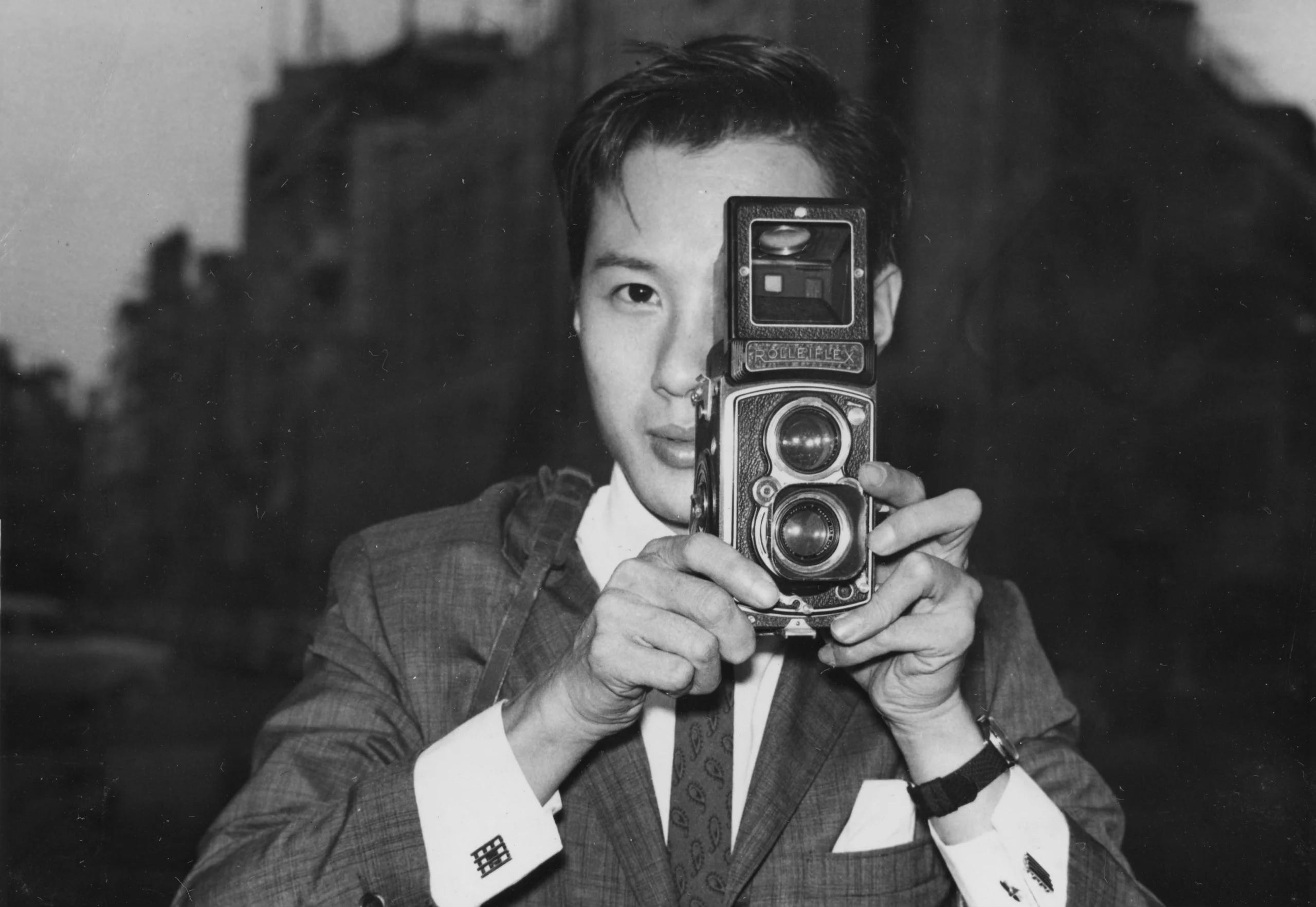
The Line I Did Not Draw
In my piece, I placed Ansel Adams beside Fan Ho, assuming the two to be equals. Both of them acknowledged the darkroom as a space for artistic exploration. Both of them considered the negative to be a building block rather than a completed work. Both produced prints that went beyond a literal relationship to the light that was.
@cedric was the first var to see the pitfall in that, and rightly so.
There is a darkness to Adams’ tonal interpretation of the foreground and near-black, elusive skies, and Ho added in darkness where none existed previously. Both may have been engaged in artistic processes in the same space, but the processes were different. Comparing the two sidelines the need to understand the divergence of the two practices more deeply.
That question, as Cedric framed it, is not whether manipulation is legitimate. It is what assertion the finished image makes to its viewer.
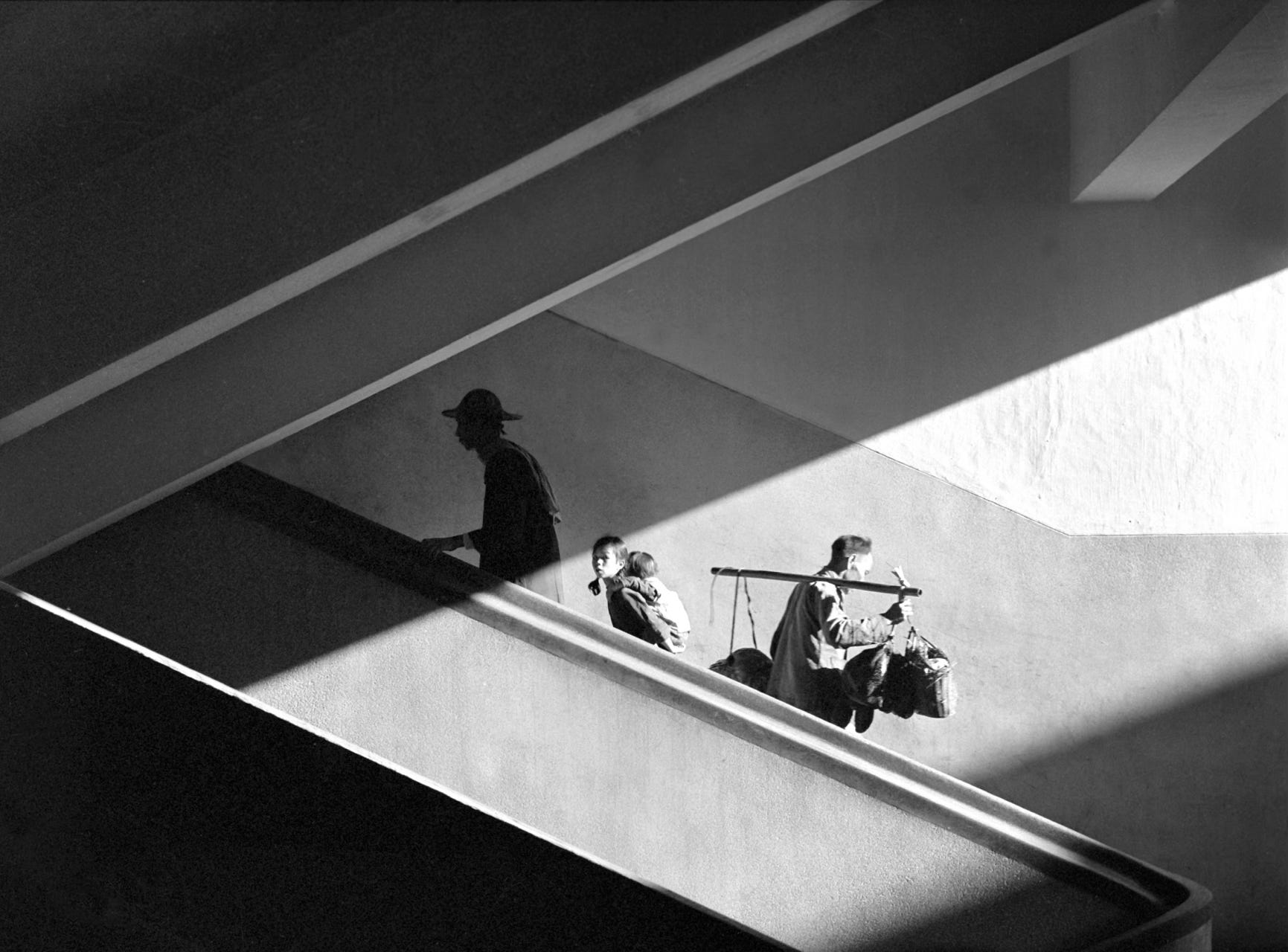
A photograph that presents itself as pictorial construction has a different contract with its viewers than one that presents itself as a documentary record. Fan Ho’s work clearly fits in the former once one knows what to look for. The problem is, a huge number of people who examine Approaching Shadow do not know what they are looking at, and beyond its name, the image does not announce itself. Thus, the photographer who removes a power line and presents the outcome as a documentary image is doing something categorically different than Fan Ho, and not because of the manipulation. It is because they deceived about what the image actually is.
That is the name the original piece left unmentioned. Not manipulation versus purity, but honesty versus deception about what the image actually is.
The Shadow in the Transaction
George Appletree framed the transaction as the core of the issue in a way that has stuck with me. When you walk into a room and there is a print on the wall, the entire history of an image’s relationship with reality walks in with you. Photography was bound to the idea of truth from the beginning, not because chemistry made it so, but because of the mechanical nature of the process that was more objective than a painter’s hand. That effect became embedded in how people take in a photograph, whether they are conscious of it or not.
A photograph isn’t meant to convey a reality, and, as George Appletree said, part of that is knowing that reality isn’t the aim of each click of the camera. Their intention is unknown to us, and a shadow exists in the title. There is a shadow in the transaction itself, as he said, and a shadow exists there, too.
This is the best and most salient point of the entire thread, though it does not answer the question. It identifies the underlying, unspoken truth that it is the responsibility of the maker and the viewer of the work to not read too much into the transaction. This is a silent agreement that has allowed photography to survive.
The Unfulfilled Illusion of Truth
The most relevant response to this discussion was from perfectlight . Here, the author attempts to clarify a point that the original poster overlooks. The original article argues that, apart from the other art forms, photography carries an implicit promise of truth. The challenge is therefore clear: who has made this promise? From the very beginning, there were different chemicals that resulted in different effects. Different emulsions, papers, developers, enlargers, and so on. The process was part of the reality, and an unmodified photograph, in any real sense, has never been possible.
That is not a minor change. The myth of the photographic truth predates the debates in the arts, predates pictorialism, predates Stieglitz and the f/64 group. @george-appletree brought the discussion down to the level of spirit photography in the 1800’s. It was at this time and in this discipline that the debate of what a photograph stands for was posed, well in advance of any organized efforts in this direction.
It was never about the promise of technology. It was about the promise of the stories we told ourselves in order to validate the existence of the camera in a space dominated by the paintbrush. Alex Luyckx | B-Sides & Musings broke it down. No image is ever complete without the negative. The tools (camera, lens, exposure index), the process (developing, time, hastening, dodging, burning), and the tools employed are all decisions that represent an artist’s movement from the simple act of capturing a moment to the drawing of a picture. Rick Decorie put it better than Adams: a photographic negative is a painter’s canvas, only the base layer is applied. The structure is there; much remains to be done.
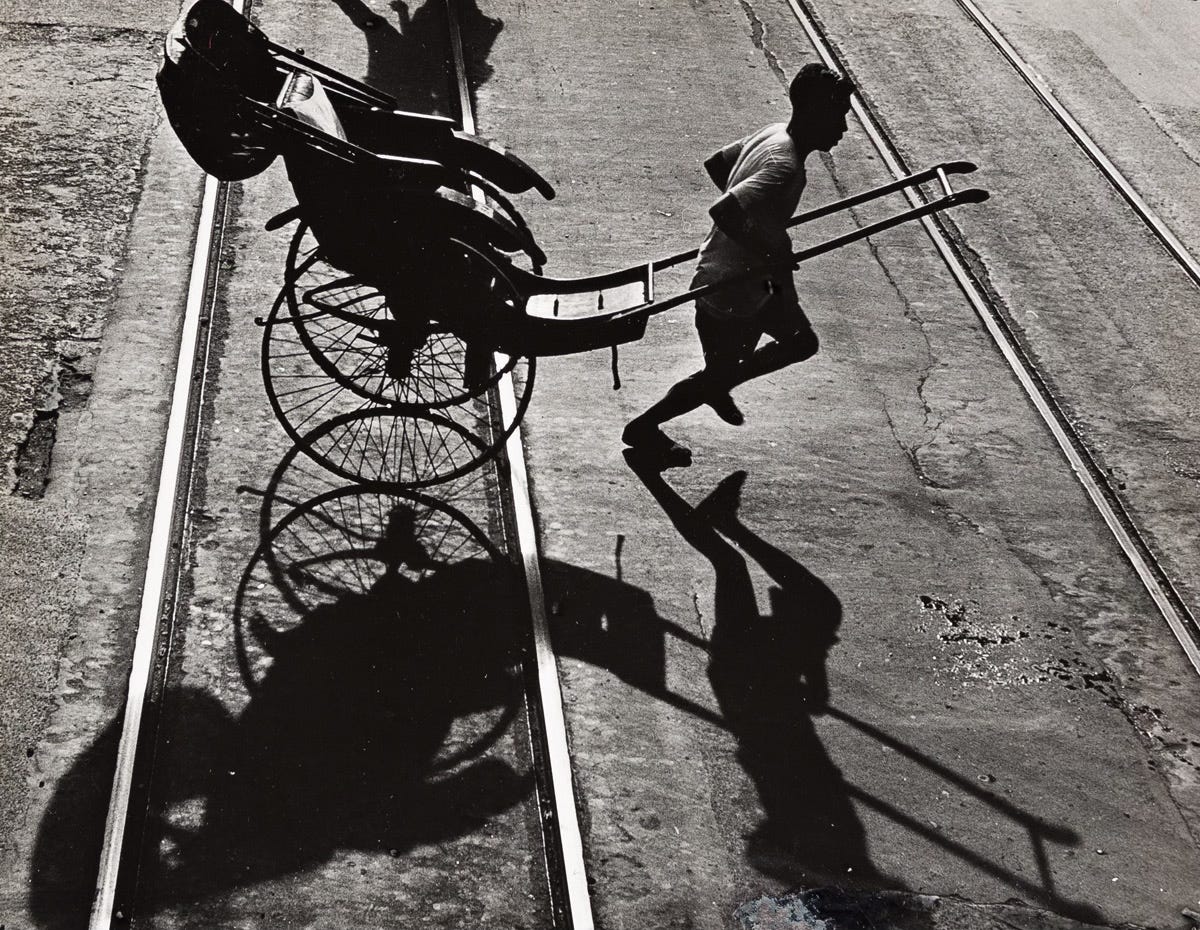
What Awe Has to Do With Any of This
Jeff Austin managed to bring a very abstract discussion back into focus by keeping it simple. Great works of art inspire thoughts that come unbidden. You enter a state of awe. When in that state the thoughts are rarely related to the process.
That is the crux of this theory. The photograph captures a moment before our debate of manipulation. No one views a print and thinks of chemicals and technique. The moment of awe is experienced before the questions Fan Ho had no idea he was manipulating and asked the viewer. Ho had no fondness of the critics. He constructed shadows and moments for the viewer who entered and felt something before he was able to understand the why.
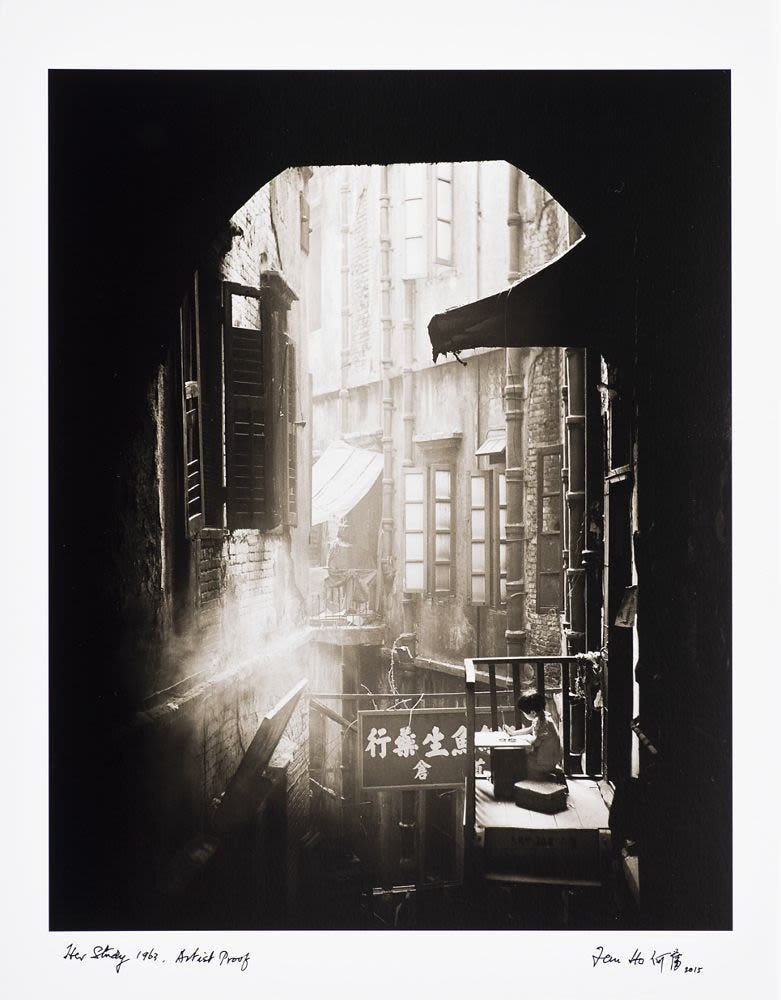
The printing, the technique, the promise of a contract, the discussion of manipulation, these are questions that can only be discussed post the photograph did what it set out to do.
Where This Leaves the Original Argument
The original argument stated that the negative can never be the photograph. The argument still holds.
The negative can never be the photograph. The process can never be the photograph. The only relevant question to this process is, did the finished image maintain integrity and honestly represent itself and what was claimed to be?
Fan Ho was honest. Shadow is not claiming to be a vision of documentary reality. He constructed a vision of impermanence and left a lasting impact and sustains integrity for the constructed purpose. Ho’s vision of impermanence is appreciated and valued by the San Francisco Museum of Modern Art, along with the projected worth of $50,000.
The contract was always present. The comment section was the first to verbalize it. That’s how it is supposed to work.
This article directly follows The Negative Was Never the Photograph. Commenters are cited with their Substack handles as contributors to that public discussion.
Thanks for reading. If you want to support the work, you can buy me a roll of film here.
New to film photography? Feel like you need direction before you go down a rabbit hole? My guide Analog Photography Is Not a Filter. It Is a Practice. explains the entire analog process so you can decide where you want to start. Twelve dollars. No rabbit holes. Start here.